- Who it’s for
- Women seeking a yearly exam, screening or confidential testing
- Visit length
- Varies — ask when booking
- Privacy
- Your visit and test results are kept confidential
- What to bring
- Photo ID, insurance card, medicine list and dates of past Pap tests or mammograms
- Insurance
- Most visits billed to insurance — call to confirm your plan
Your yearly well-woman visit
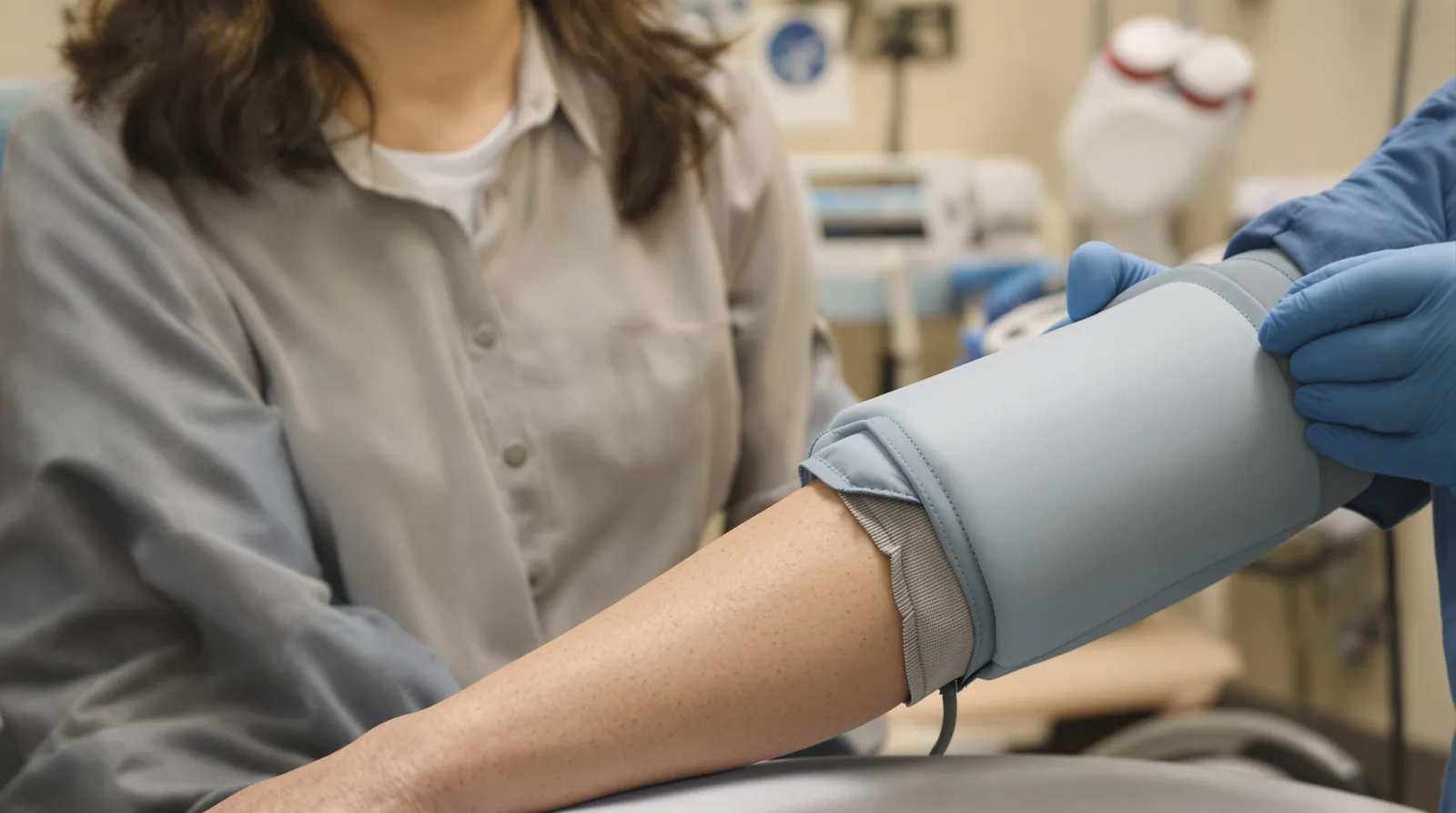
A well-woman visit at our Torrance office is a time to check your overall health and talk about the screenings that fit your age and history. It usually includes your health and family history, blood pressure and weight, an exam, and a review of your vaccines and screening tests. Whether you need a pelvic exam or Pap test depends on your age, history and symptoms.
It’s also a good time to mention anything you’ve noticed, such as changes in your periods, breast changes, bladder problems or mood.
Pap tests and cervical cancer screening
Cervical cancer screening looks for cell changes, or the HPV infections that can cause them, before cancer develops. For women ages 21 to 65, the USPSTF recommends regular screening; how often depends on your age and which test is used (USPSTF, 2018). It recommends against screening most women younger than 21, women over 65 who have had adequate screening and aren’t at high risk, and women whose cervix was removed for reasons other than cancer or precancer.
For accurate results, avoid scheduling a Pap test during your period. For two days before, don’t douche or use tampons or vaginal creams. Dr. Shin will recommend screenings based on your age, history and risk.
Confidential STD testing
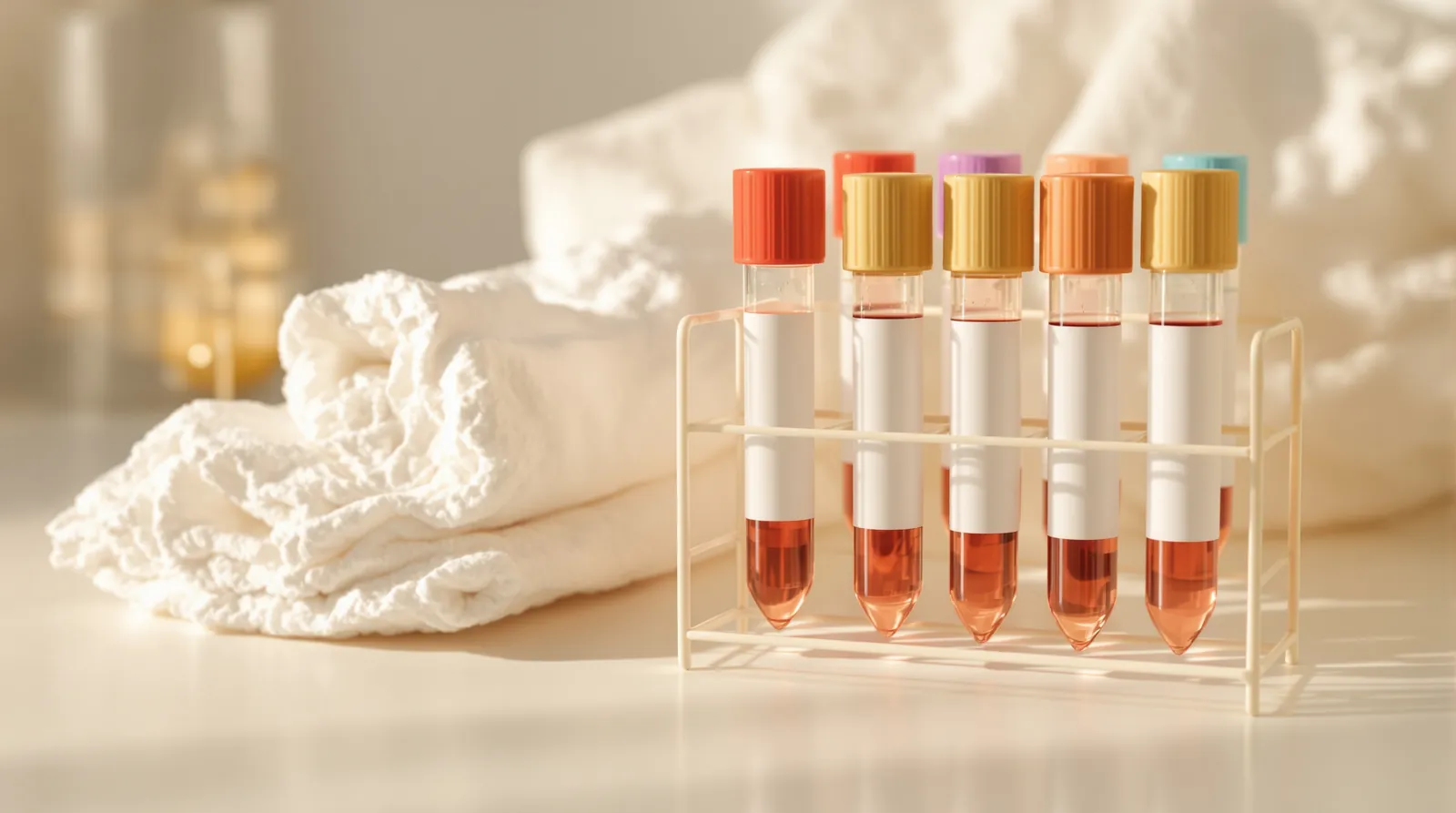
Many sexually transmitted infections cause no symptoms, so testing is often the only way to know. Depending on the test, you may give a urine sample, a swab or a blood sample. Your visit and results are confidential.
For example, the USPSTF recommends chlamydia and gonorrhea screening for sexually active women 24 and younger, and for women 25 and older who are at increased risk (2021). Dr. Shin will talk with you privately about which tests make sense for you.
Pregnancy tests, mammograms and referrals
A pregnancy test checks urine or blood for hCG, a hormone made during pregnancy. If you’re pregnant, we help you connect with an OB-GYN for prenatal care.
For breast cancer screening, the USPSTF recommends a mammogram every two years for women ages 40 to 74 (2024). Mammograms are done at an imaging center: we order yours at a nearby center and go over the results with you.
What to expect
Book privately
Request an appointment online or call (310) 326-2161. You can simply say you’d like a women’s health visit.
Talk
Dr. Shin reviews your history and any concerns with you in private.
Exam and tests
Any exam or test is explained before it’s done, and you can ask questions at any point.
Results
We tell you how you’ll receive results. Please don’t email health details — call us instead.
Common questions
How often do I need a Pap test?
It depends on your age, health history and the type of test. The USPSTF recommends regular cervical cancer screening for women 21 to 65, using a Pap test, an HPV test or both at set intervals (2018). Most women younger than 21, or older than 65 with adequate past screening, don’t need it. Dr. Shin will tell you when your next test is due.
Is STD testing confidential?
Yes. STD testing is part of your medical care, and it’s kept confidential like the rest of your health information. If you have questions about privacy, including how a visit may appear on insurance paperwork, ask us before your test.
Can I get a pregnancy test at my family doctor?
Yes. A pregnancy test can be done on urine or blood. Both check for hCG, and a blood test can also measure the exact amount of the hormone. If the test is positive, Dr. Shin will talk with you about next steps, including a referral to an OB-GYN for prenatal care.
Do you do mammograms in the office?
Mammograms are done at imaging centers with mammography equipment. Dr. Shin can order your mammogram at a nearby center and go over the results with you. The USPSTF recommends screening mammograms every two years for women ages 40 to 74 (2024).
What should I avoid before a Pap test?
Try to schedule your Pap test when you don’t have your period; about five days after your period ends is a good time. For two days before the test, MedlinePlus advises not using tampons, birth control foams or creams, or other vaginal medicines, and not douching.
Important information
- Get emergency care for heavy bleeding, severe pain anywhere in your body, or fainting. Call 911 if you can’t get to care safely.
Sources & further reading
- Cervical Cancer: Screening (2018) (opens in a new tab) — U.S. Preventive Services Task Force
- Chlamydia and Gonorrhea: Screening (2021) (opens in a new tab) — U.S. Preventive Services Task Force
- Breast Cancer: Screening (2024) (opens in a new tab) — U.S. Preventive Services Task Force
- Cervical Cancer Screening (opens in a new tab) — American College of Obstetricians and Gynecologists
- Pap Smear (opens in a new tab) — MedlinePlus, U.S. National Library of Medicine
- Pregnancy Test (opens in a new tab) — MedlinePlus, U.S. National Library of Medicine
- Getting Tested for STIs (opens in a new tab) — Centers for Disease Control and Prevention
- When to use the emergency room - adult (opens in a new tab) — MedlinePlus, U.S. National Library of Medicine
Last updated October 2026. This page is educational and does not replace a visit with a clinician.