- Type of service
- Cosmetic skin care within our physician-directed skin clinic
- Microdermabrasion
- Often 5 to 16 treatments, weekly to monthly (AAD)
- Light peels
- 3 to 5 peels, every 2 to 5 weeks, when needed (AAD)
- Downtime
- Pinkness for about a day; flaking for several days after a light peel
- Results
- Temporary, so regular upkeep is needed
Customized medical facial
Each facial is planned around your skin type, age and goals. A visit may include:
- deep cleansing
- warm steam to soften the skin
- gentle extraction of blackheads and whiteheads with sterile tools, if needed
- a light enzyme peel or exfoliant chosen for your skin
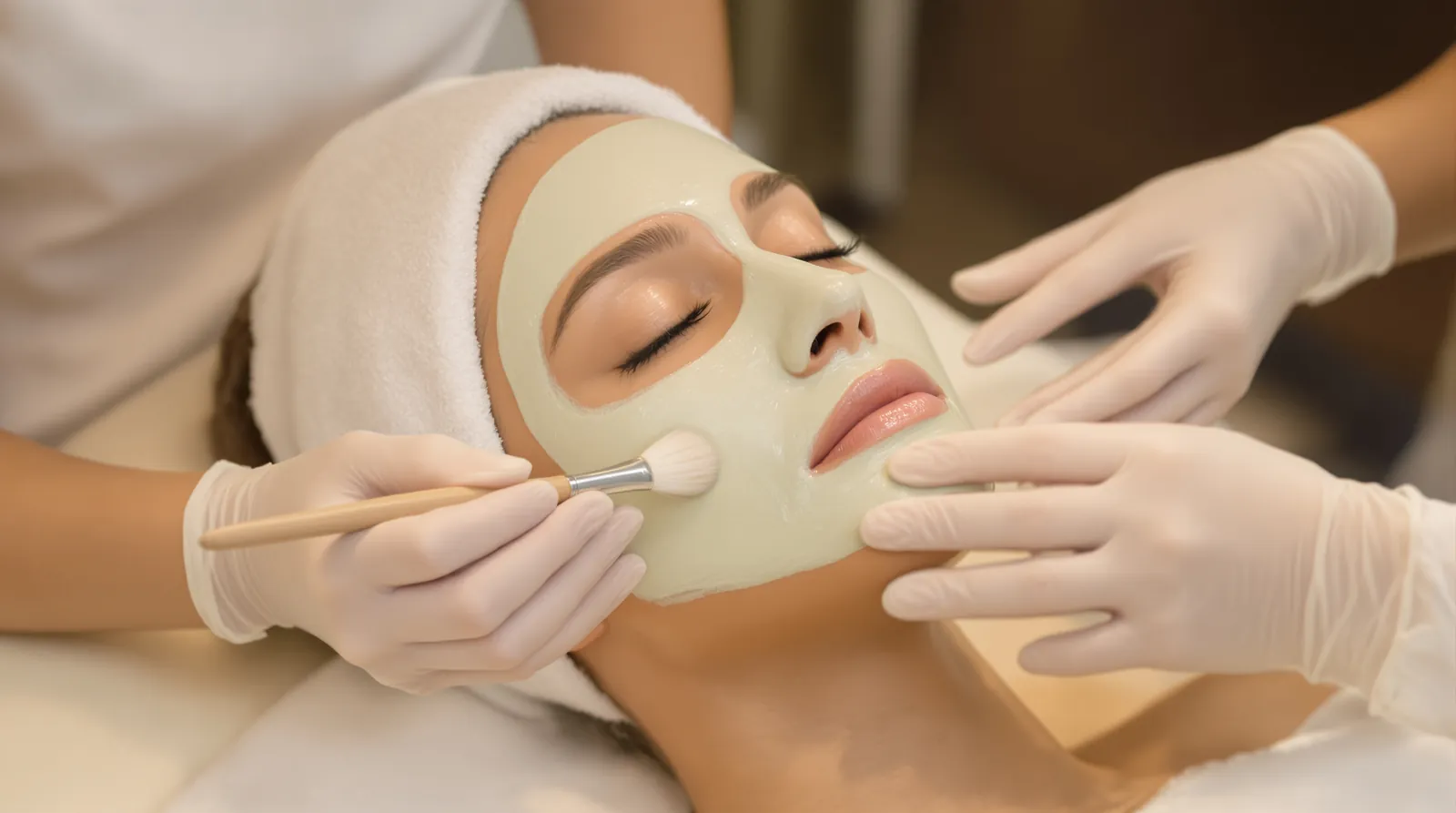
- a calming or hydrating mask
A facial can help dull or congested skin and clogged pores. The effect is short-term, so regular visits are needed to maintain it. Results vary from person to person.
Acne-care facial
An acne-care facial combines deep cleansing, careful extractions and a mask or light peel chosen for breakout-prone skin. It can support medical acne care but does not replace it. For frequent or painful breakouts, see our acne treatment options.
Please don’t squeeze pimples at home. The American Academy of Dermatology warns that it can lead to infection, more painful or more noticeable acne, and scars.
Crystal microdermabrasion
Microdermabrasion uses a fine stream of crystals and gentle suction to remove the outer layer of dead skin cells. According to the American Academy of Dermatology, it can be used on all skin tones, and after a series of treatments skin can look smoother, brighter and more even. It may help:
- a dull complexion
- uneven skin tone or texture
- age spots
- dark marks left as acne clears
- melasma
What it can’t do: it works only on the surface, so changes are subtle and temporary, and it does not tighten loose skin. Most people have between 5 and 16 treatments, weekly to monthly, plus follow-up visits to maintain results. For deeper acne scars or wrinkles, ask about laser resurfacing.
Vitamin C, in the clinic and at home
Vitamin C (L-ascorbic acid) is an antioxidant used in many skin-care products. Clinical studies are limited but suggest modest benefits:
- In a 6-month controlled study, a 5% vitamin C cream improved the look of sun-damaged skin.
- In a 16-week melasma study, 4% hydroquinone lightened dark patches more, but vitamin C caused far fewer side effects.
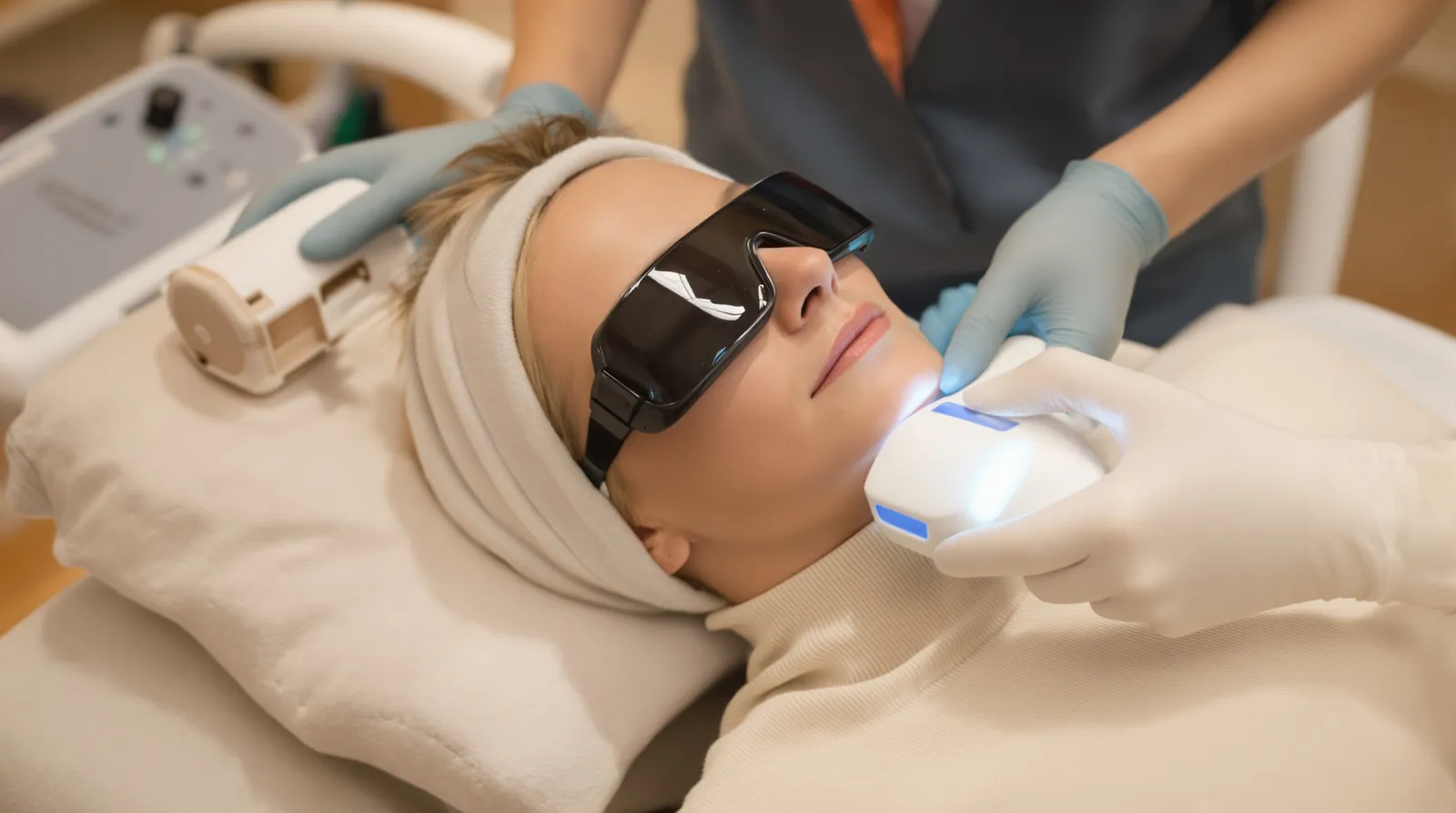
Vitamin C add-on during a facial: a handheld device that uses a mild electrical current (iontophoresis) or ultrasound may help vitamin C serum absorb better than applying it alone, with modest benefits. In one small split-face study, an iontophoresis device used twice a week for 8 weeks improved the look of pores and skin hydration. How long any benefit lasts is not known.
Vitamin C is not a sunscreen. Use it alongside daily sunscreen, not instead of it.
What to expect
Skin review
We ask about your skin, medicines and past reactions, then suggest a facial or treatment that fits.
Cleansing and steam
Your skin is cleansed and softened with warm steam.
Treatment
Extractions, a light peel, microdermabrasion or a vitamin C add-on, depending on your plan.
Mask
A calming or hydrating mask finishes the visit.
Aftercare and upkeep
Use sunscreen daily and don’t pick at your skin. We’ll suggest a schedule that suits your skin.
Side effects & risks
- Facials and light peels: redness, irritation or breakouts. After a light peel, skin is red and may then flake for 3 to 7 days. Peels done without proper expertise can cause lasting pigment problems in skin of color.
- Extractions: if done improperly, they can cause infection and scarring.
- Microdermabrasion: skin may be pink and slightly swollen for about a day. It can bruise, burn, sting or become very sensitive to the sun, and people who get dark spots after skin injuries may get more.
- Vitamin C products: irritation or a burning feeling.
Who should not have it / talk to Dr. Shin first
Please wait on microdermabrasion if you:
- have a mole or spot that is growing, bleeding or changing; have it checked first
- took isotretinoin (a prescription acne pill) in the past 6 months
- scar easily
Talk to Dr. Shin first, before any facial, peel or add-on, if you:
- use isotretinoin or a prescription retinoid
- get cold sores
- have an active rash, an infection, or a flare of acne or rosacea
- have very sensitive or broken skin
- have a pacemaker or other implanted electronic device, or metal in the treatment area (before the vitamin C device is used)
Common questions
How often should I get microdermabrasion?
According to the American Academy of Dermatology, most people have between 5 and 16 treatments, and a dermatologist may treat weekly, every two weeks or monthly. Because results are temporary, follow-up treatments are usually needed to keep skin looking smoother. We’ll suggest a schedule based on your skin and goals.
Can a facial get rid of acne?
A facial can help clear clogged pores and support mild acne alongside medical care, but it is not a substitute for acne treatment. Frequent, painful or scarring breakouts usually need medical care. Dr. Shin can talk with you about the options on our acne treatment page.
Will my skin peel after a facial?
It depends on the treatment. After a light peel, skin is usually red at first and may flake for 3 to 7 days. After microdermabrasion, skin may look pink or slightly swollen for about a day. Either way, daily sunscreen helps protect your skin while it recovers.
Does a vitamin C facial add-on really help?
It may help a little. Small studies suggest a mild electrical current or ultrasound can help vitamin C serum absorb better than applying it alone, with modest benefits. The evidence is limited, and how long any benefit lasts is not known, so we offer it as an optional add-on.
Who performs facials at your clinic?
Facials and microdermabrasion are provided by licensed skin-care staff in our physician-directed skin clinic. When you book, you’re welcome to ask who will perform your treatment and what license they hold. If a skin concern needs a medical opinion, Dr. Shin can see you.
Important information
- Facials, light peels and microdermabrasion are cosmetic skin services, not FDA-approved medical treatments. The optional vitamin C add-on uses a device that may help the serum absorb; studies are small and suggest modest benefits.
Sources & further reading
- Microdermabrasion: FAQs (opens in a new tab) — American Academy of Dermatology
- Microdermabrasion: Overview (opens in a new tab) — American Academy of Dermatology
- Chemical peels: FAQs (opens in a new tab) — American Academy of Dermatology
- Pimple popping: Why only a dermatologist should do it (opens in a new tab) — American Academy of Dermatology
- Topical Vitamin C and the Skin: Mechanisms of Action and Clinical Applications (Journal of Clinical and Aesthetic Dermatology, 2017) (opens in a new tab) — PubMed Central, U.S. National Library of Medicine
- Topical ascorbic acid on photoaged skin: double-blind study vs. placebo (Experimental Dermatology, 2003) (opens in a new tab) — PubMed, U.S. National Library of Medicine
- A double-blind randomized trial of 5% ascorbic acid vs. 4% hydroquinone in melasma (International Journal of Dermatology, 2004) (opens in a new tab) — PubMed, U.S. National Library of Medicine
- Efficacy of handheld iontophoresis device in enhancing transdermal vitamin C delivery: a split-face clinical trial (Journal of Cosmetic Dermatology, 2022) (opens in a new tab) — PubMed, U.S. National Library of Medicine
- Topical vitamins: Uses and limitations, part I (Clinics in Dermatology, 2026) (opens in a new tab) — PubMed, U.S. National Library of Medicine
Last updated October 2026. This page is educational and does not replace a visit with a clinician.