- Who it’s for
- Adults living with, or at risk for, long-term health conditions
- Visit length
- Varies — ask when booking
- What to bring
- All your medicines, home blood pressure or blood sugar readings, and specialist reports
- Follow-up
- Regular visits, spaced to fit your condition and treatment
- Insurance
- Most visits billed to insurance — call to confirm your plan
Conditions we help you manage
Many long-term conditions build slowly and cause few symptoms at first. Regular visits at our Torrance office help you and Dr. Shin spot changes early and adjust your plan before problems grow.
- High blood pressure: office checks, plus home or 24-hour readings when needed to confirm a diagnosis. See heart and blood pressure tests.
- Prediabetes and type 2 diabetes: blood sugar and A1C tests, a medicine review and practical steps for eating and activity.
- High cholesterol: cholesterol tests and a talk about your overall heart risk, including whether a statin medicine makes sense for you.
- Thyroid conditions: follow-up thyroid blood tests to check that your medicine dose is right.
- Weight and lifestyle: counseling on nutrition, physical activity and quitting tobacco.
What the evidence says about screening and prevention
For adults without symptoms, the USPSTF recommends a few well-established steps. For example:
- Confirming high blood pressure with readings taken outside the office before starting treatment (USPSTF, 2021).
- Screening for prediabetes and type 2 diabetes in adults 35 to 70 who have overweight or obesity (USPSTF, 2021). The USPSTF adds that clinicians should consider screening Asian American adults at a lower body weight.
- Offering or referring adults with heart disease risk factors to counseling on healthy eating and physical activity (USPSTF, 2020).
The USPSTF found too little evidence to recommend routine thyroid screening in adults without symptoms (2015), so thyroid tests are usually ordered when symptoms or a known condition call for them. Dr. Shin will recommend screenings based on your age, history and risk.
Care that stays connected
If you need a specialist, such as a cardiologist or an endocrinologist, Dr. Shin can refer you and go over their recommendations with you, so your medicines and plans stay in one place. A treadmill exercise ECG (stress test) may be recommended when your symptoms or risk factors call for it.
How ongoing care works
First visit
Dr. Shin reviews your history, medicines and recent results, and examines you.
Set goals
Together you agree on target numbers and realistic steps, such as changes in food, activity or medicine.
Track
Lab tests and blood pressure checks show how your plan is working. Home readings help, too.
Adjust
At follow-up visits you review progress, fine-tune treatment and arrange specialist care if needed.
Common questions
How often should I see the doctor for high blood pressure or diabetes?
It depends on how well your condition is controlled and whether your treatment has recently changed. Visits may be closer together while you start or adjust a medicine, and further apart once your numbers are steady. Dr. Shin will suggest a schedule that fits you and your condition.
What is prediabetes?
Prediabetes means your blood sugar is higher than normal but not yet high enough to be type 2 diabetes. There are usually no signs. According to the CDC, losing a small amount of weight, eating healthier and being more active can prevent or delay type 2 diabetes, and the National Diabetes Prevention Program offers structured support.
Do I need a thyroid test every year?
Not usually, if you have no symptoms. The USPSTF found too little evidence to recommend routine thyroid screening in adults without symptoms (2015). If you take thyroid medicine or have symptoms, Dr. Shin orders thyroid blood tests to guide your care, including checking that your dose is right.
Can you work with my specialists?
Yes. Dr. Shin can refer you to a specialist when you need one and go over the findings with you. Bring recent specialist notes and an up-to-date medicine list to each visit so everyone caring for you works from the same information.
Should I check my blood pressure at home?
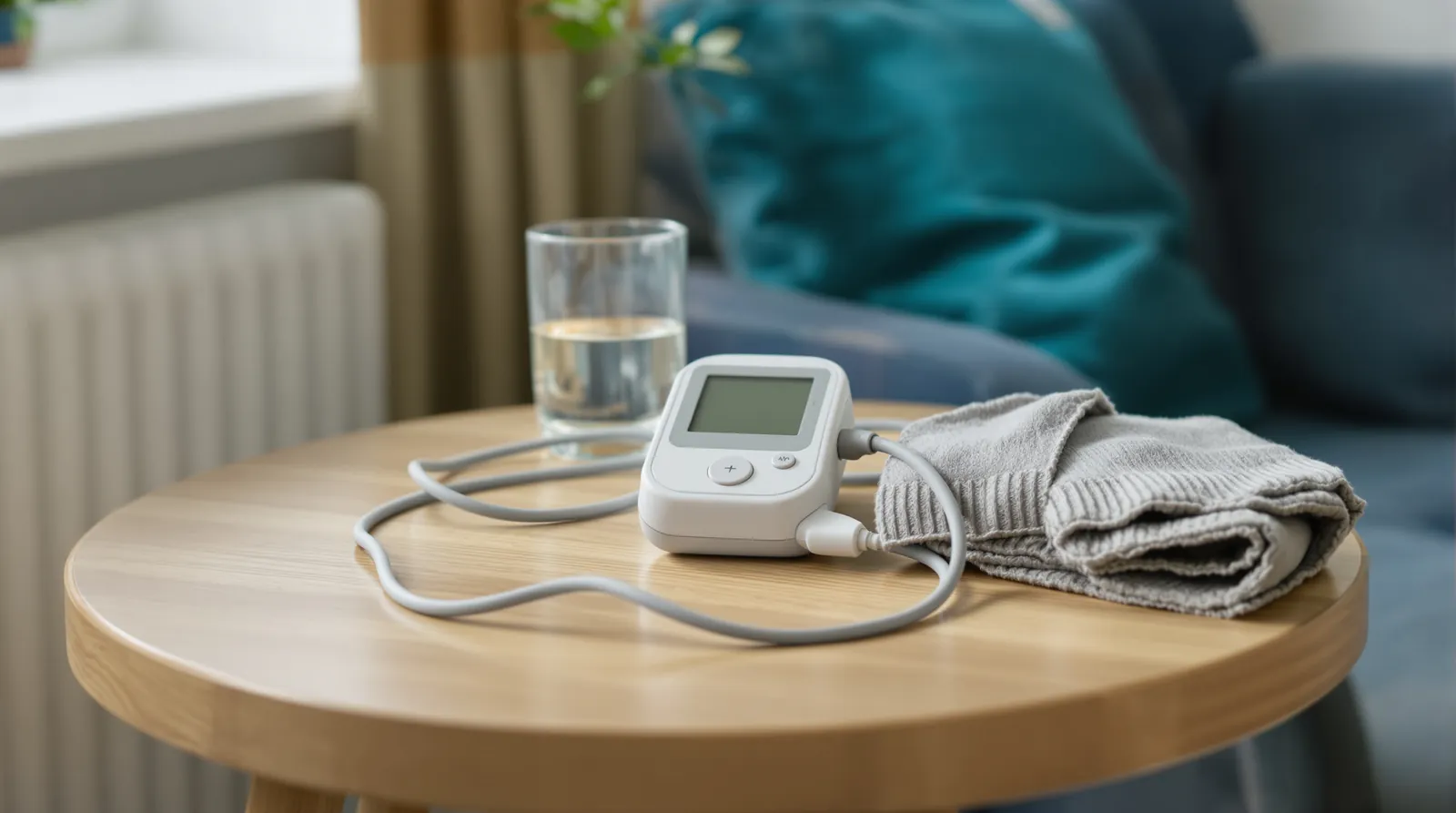
Often, yes. The USPSTF recommends confirming high blood pressure with readings taken outside the office before starting treatment, and home readings also show how treatment is working. Use an upper-arm cuff, rest quietly for 5 minutes first, take 2 or 3 readings, and bring your log to your visit.
Important information
- When to call 911: chest pain or pressure, severe shortness of breath, sudden weakness or drooping on one side of the body, or suddenly being unable to speak, see or walk. Don’t wait for an office visit.
Sources & further reading
- Hypertension in Adults: Screening (2021) (opens in a new tab) — U.S. Preventive Services Task Force
- Prediabetes and Type 2 Diabetes: Screening (2021) (opens in a new tab) — U.S. Preventive Services Task Force
- Healthy Diet and Physical Activity for Cardiovascular Disease Prevention in Adults With Cardiovascular Risk Factors: Behavioral Counseling Interventions (2020) (opens in a new tab) — U.S. Preventive Services Task Force
- Thyroid Dysfunction: Screening (2015) (opens in a new tab) — U.S. Preventive Services Task Force
- Preventing Type 2 Diabetes (opens in a new tab) — Centers for Disease Control and Prevention
- Hemoglobin A1C (HbA1c) Test (opens in a new tab) — MedlinePlus, U.S. National Library of Medicine
- TSH (Thyroid-stimulating hormone) Test (opens in a new tab) — MedlinePlus, U.S. National Library of Medicine
- Blood pressure measurement (opens in a new tab) — MedlinePlus, U.S. National Library of Medicine
- When to use the emergency room - adult (opens in a new tab) — MedlinePlus, U.S. National Library of Medicine
Last updated October 2026. This page is educational and does not replace a visit with a clinician.