- Where to buy
- In our office only; no online sales
- Prescription items
- Available only after an exam and a prescription
- Stock
- Brands and items change, so please ask what is available
Brands we carry: ask in office
These professional lines have been available at our office. Stock changes, so please ask whether an item is currently in stock.
- Obagi®: non-prescription items, such as cleansers and toners, and Professional-C® vitamin C serums (10%, 15% and 20%)
- SkinMedica®
- Clayton Shagal
- Le Mieux
- Dr. Grandel
We don’t sell products online or list prices on this website.
Prescription options: available after an exam
- Obagi Nu-Derm® Rx (Clear, Blender and Sunfader) and Obagi-C® Rx (C-Clarifying Serum and C-Therapy Night Cream) contain 4% hydroquinone, a prescription ingredient used to lighten dark spots and melasma. They can irritate the skin, contain a sulfite that can cause allergic reactions, and make daily sun protection essential. Safety during pregnancy has not been established.
- LATISSE® (bimatoprost ophthalmic solution 0.03%) is FDA-approved to treat inadequate eyelashes by increasing their length, thickness and darkness. It can darken eyelid skin and may cause a brown color change in the iris that is likely to last. See Latisse eyelash treatment.
These are available only after an exam and a prescription. Ask in office.
Why some products need a prescription and an exam
The FDA sorts products by what they are meant to do. A cosmetic is meant to cleanse or improve appearance. A product meant to affect how the body works, such as growing lashes, is regulated as a drug. Some products are both, like a moisturizer with SPF.
Prescription products can cause real side effects, so they are prescribed only after an exam, where we check your skin and health history and explain safe use. Over-the-counter skin lighteners containing hydroquinone can no longer be legally sold in the U.S.
How prescription skincare works here
Ask
Mention the product at a visit or call the front desk.
Exam
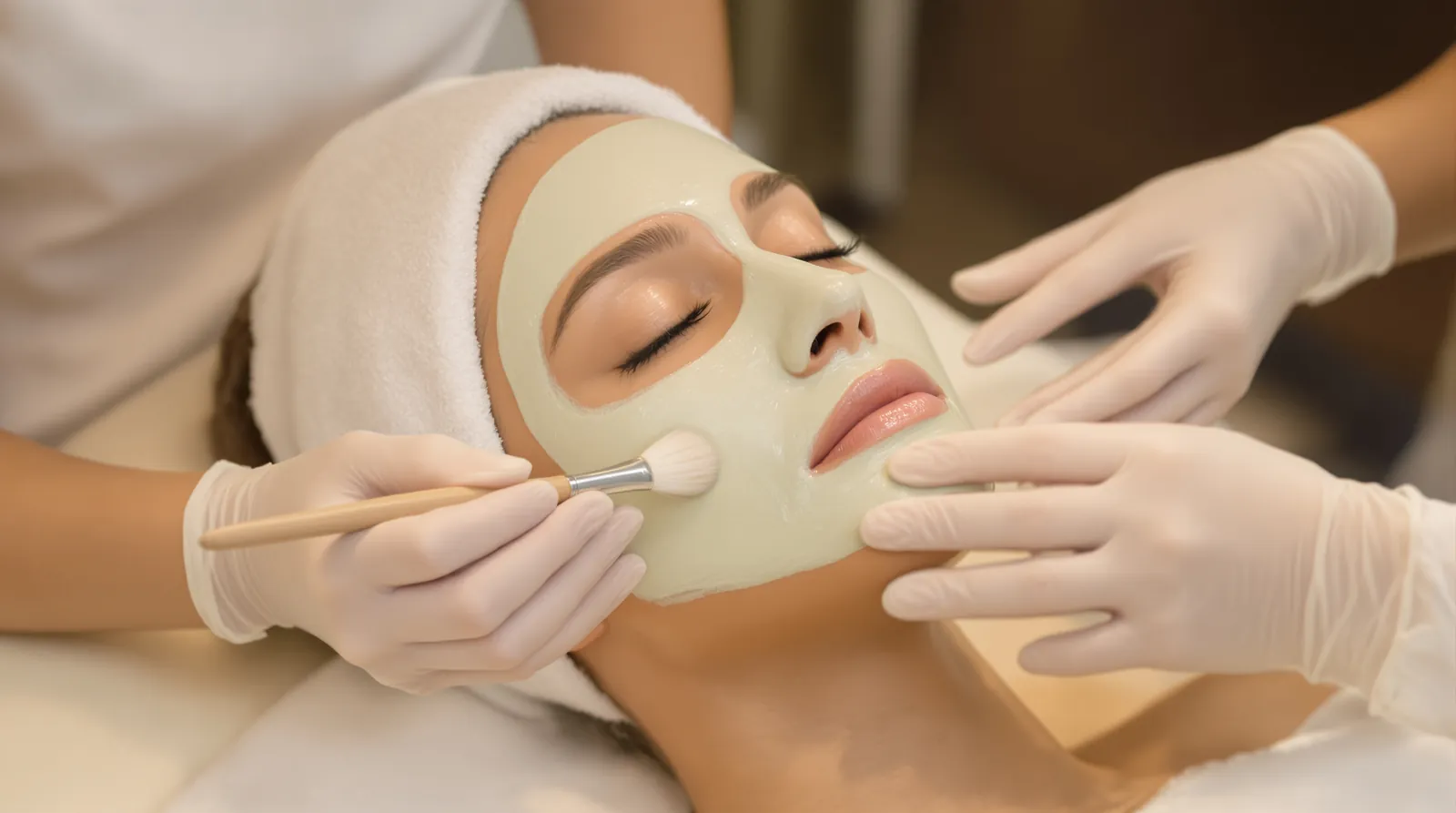
We review your skin, health history and medicines and confirm the product is appropriate.
Prescription
If it is, you receive a prescription with clear instructions and safety information.
Follow-up
We check how your skin is responding and adjust your routine.
Sunscreen basics
Daily sunscreen helps maintain results after treatments such as peels, and it is essential with hydroquinone. The American Academy of Dermatology recommends:
- a broad-spectrum, water-resistant sunscreen with SPF 30 or higher
- about 1 ounce to cover the body (roughly a shot glass full), applied to dry skin 15 minutes before going outdoors
- reapplying about every 2 hours outdoors, and after swimming or sweating
How we match products to your treatments
We look at your skin type, concerns, current routine and any treatments you’re planning. We may suggest a gentle routine around pigmentation treatment, a vitamin C serum alongside daily sunscreen, or pausing certain products before a peel or microdermabrasion. Bring your current products to your visit. Any product can irritate skin or cause an allergic reaction, and results vary from person to person.
Common questions
Can I buy Obagi or LATISSE online from your office?
No. We don’t sell products online. Non-prescription items are available in our office, and prescription products such as Obagi Nu-Derm Rx and LATISSE are available only after an exam and a prescription. Please call the front desk or ask at your next visit.
What should I know before using hydroquinone?
Prescription hydroquinone has real risks. Labels warn of skin irritation and sulfite allergy, daily sunscreen is essential, and safety in pregnancy has not been established. The FDA has received reports of rashes, facial swelling and skin darkening (ochronosis) with over-the-counter hydroquinone products, which can no longer be legally sold.
Do I still need sunscreen if I use vitamin C?
Yes. Vitamin C is an antioxidant, not a sunscreen. Use it alongside a broad-spectrum, water-resistant sunscreen with SPF 30 or higher, as the American Academy of Dermatology recommends, and reapply it about every 2 hours when you are outdoors, or after swimming or sweating.
How do I know which products are in stock?
Brands and individual items change over time, so we don’t list stock online. Call the office or ask at your next visit, and bring a list of products you’re curious about. We’ll tell you what is available now and whether it suits your skin.
Important information
- Prescription skin lighteners with 4% hydroquinone, such as Obagi Nu-Derm® Rx, are not FDA-approved; they are marketed under the FDA’s unapproved-drug category. LATISSE® is an FDA-approved prescription drug. Both require an exam first.
Sources & further reading
- Is It a Cosmetic, a Drug, or Both? (Or Is It Soap?) (opens in a new tab) — U.S. Food & Drug Administration
- FDA works to protect consumers from potentially harmful OTC skin lightening products (opens in a new tab) — U.S. Food & Drug Administration
- Obagi Nu-Derm Clear, Blender and Sunfader (hydroquinone 4%) label (opens in a new tab) — DailyMed, U.S. National Library of Medicine
- LATISSE (bimatoprost ophthalmic solution) 0.03% prescribing information (opens in a new tab) — DailyMed, U.S. National Library of Medicine
- Sunscreen FAQs (opens in a new tab) — American Academy of Dermatology
- How to select a sunscreen (opens in a new tab) — American Academy of Dermatology
- Topical Vitamin C and the Skin: Mechanisms of Action and Clinical Applications (Journal of Clinical and Aesthetic Dermatology, 2017) (opens in a new tab) — PubMed Central, U.S. National Library of Medicine
Last updated October 2026. This page is educational and does not replace a visit with a clinician.