- Who it’s for
- Adults with heart symptoms, high blood pressure readings or heart risk factors
- Visit length
- Varies by test — ask when booking
- What to bring
- Medicine list, home blood pressure log, and walking shoes for a stress test
- Insurance
- Most visits billed to insurance — call to confirm your plan
Resting ECG (electrocardiogram)
An ECG records your heart’s electrical activity through small sticky sensors placed on your chest, arms and legs. It takes only a few minutes, and it doesn’t send any electricity into your body. An ECG can help find problems such as an irregular heartbeat or signs of a heart attack.
An ECG is most useful when you have symptoms, such as chest discomfort or a racing heartbeat, or a condition that calls for it. For adults at low risk who have no symptoms, the USPSTF recommends against screening with a resting or exercise ECG (2018).
24-hour ambulatory blood pressure monitoring (ABPM)
Blood pressure can read differently in a medical office than in daily life. Some people have high readings only in the office (“white-coat” hypertension). Others have normal office readings but high readings elsewhere (“masked” hypertension).
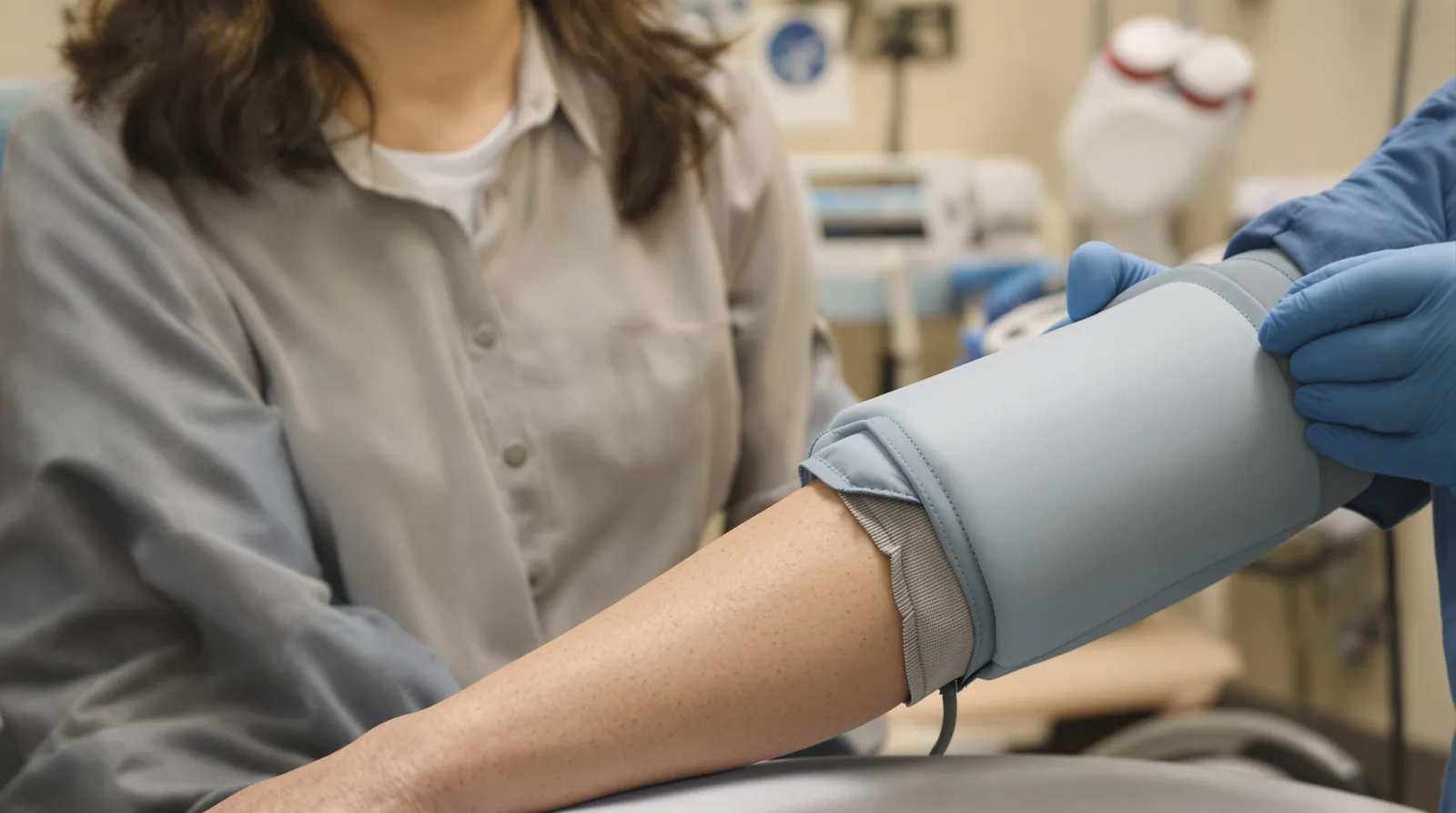
With ABPM, you wear a small cuff connected to a portable monitor that automatically checks your blood pressure, typically every 20 to 30 minutes for up to 24 hours, while you go about your day and sleep. The USPSTF recommends confirming high blood pressure with measurements taken outside the office before starting treatment (2021), and ABPM is one way to do that.
Exercise stress test
A treadmill exercise ECG, or stress test, shows how your heart works during exercise. Sensors record your heart’s rhythm and your blood pressure is checked while the treadmill slowly gets faster and steeper. The test stops if you develop chest pain, shortness of breath, dizziness or other symptoms.
Dr. Shin may recommend a stress test when your symptoms or risk factors call for it — not as a routine screening test.
Checking your blood pressure at home
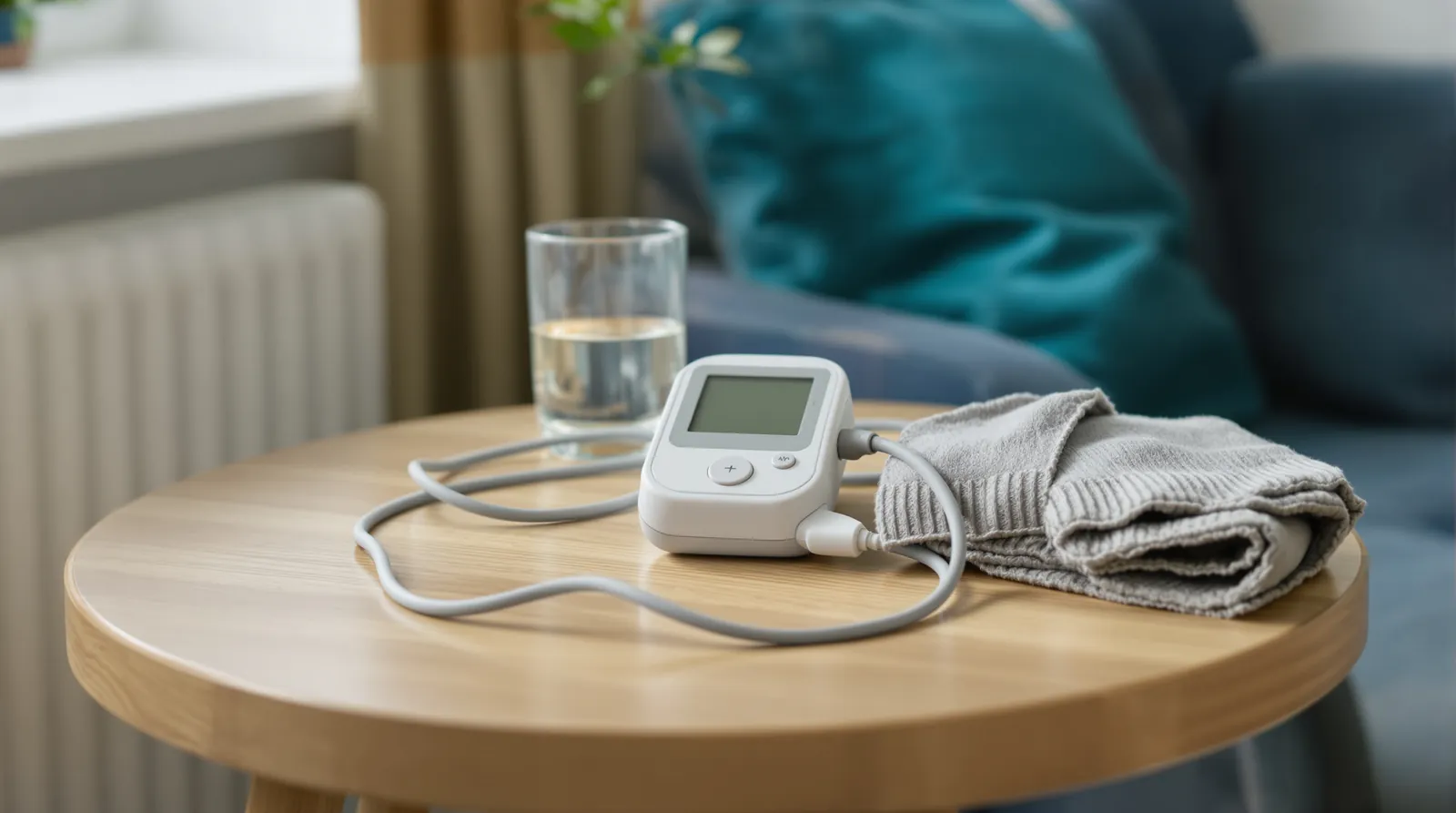
Home readings can help confirm a diagnosis and show how treatment is working. For accurate numbers:
- Use a validated monitor with a cuff that wraps around your upper arm.
- Don’t measure within 30 minutes of a meal, caffeine or tobacco, or right after exercise. Empty your bladder first.
- Sit with your back supported, feet flat and legs uncrossed, your arm resting at heart level and the cuff on bare skin.
- Rest quietly for at least 5 minutes, then take 2 or 3 readings 1 minute apart.
- Write down each reading with the date and time, and bring your log to your visit.
How testing works
Evaluation
At our Torrance office, Dr. Shin reviews your symptoms, history and readings to decide whether a test will help.
Prepare
We explain any instructions, such as what to wear or whether to avoid food or caffeine beforehand.
Test
Your test is done, or your monitor is fitted with instructions for the next 24 hours.
Results
Dr. Shin goes over the results with you and explains next steps, including a cardiology referral if needed.
Common questions
Do I need an ECG if I feel fine?
Usually not, if you’re at low risk for heart disease. The USPSTF recommends against screening with a resting or exercise ECG in adults without symptoms who are at low risk (2018). Dr. Shin may still order one if you have symptoms, certain medical conditions or an upcoming surgery.
What is white-coat hypertension?
It means your blood pressure is high when it’s measured in a medical office but normal when it’s measured outside the office. The opposite, masked hypertension, is normal in the office but high elsewhere. Home readings or 24-hour monitoring can help tell the difference (USPSTF, 2021).
How should I prepare for a stress test?
Wear comfortable clothes and walking shoes. You’ll usually be asked not to eat, drink or smoke for a few hours before the test, and to avoid caffeine for longer. Ask whether to take your usual medicines, and don’t stop any medicine unless we tell you to.
Does an ECG hurt?
An ECG doesn’t send electricity into your body; it only records the signals your heart already makes. The sensors stick to your skin, and you may feel slight discomfort when they’re peeled off. The recording itself takes only a few minutes.
What is a normal blood pressure reading?
According to MedlinePlus, normal blood pressure is below 120/80 mm Hg. Higher readings may be called elevated blood pressure or high blood pressure, depending on the numbers. One high reading doesn’t mean you have high blood pressure, so ask Dr. Shin what your readings mean for you.
Important information
- Some tests need special equipment or advance scheduling. Please call (310) 326-2161 to confirm a test is available and how to prepare.
- Don’t wait for a test if you have warning signs. Call 911 for chest pain or pressure, pain in the arm or jaw, severe shortness of breath, or fainting.
Sources & further reading
- Cardiovascular Disease Risk: Screening With Electrocardiography (2018) (opens in a new tab) — U.S. Preventive Services Task Force
- Hypertension in Adults: Screening (2021) (opens in a new tab) — U.S. Preventive Services Task Force
- Electrocardiogram (opens in a new tab) — MedlinePlus, U.S. National Library of Medicine
- Stress Tests (opens in a new tab) — MedlinePlus, U.S. National Library of Medicine
- Blood pressure measurement (opens in a new tab) — MedlinePlus, U.S. National Library of Medicine
- Monitoring Your Blood Pressure at Home (opens in a new tab) — American Heart Association
- When to use the emergency room - adult (opens in a new tab) — MedlinePlus, U.S. National Library of Medicine
Last updated October 2026. This page is educational and does not replace a visit with a clinician.